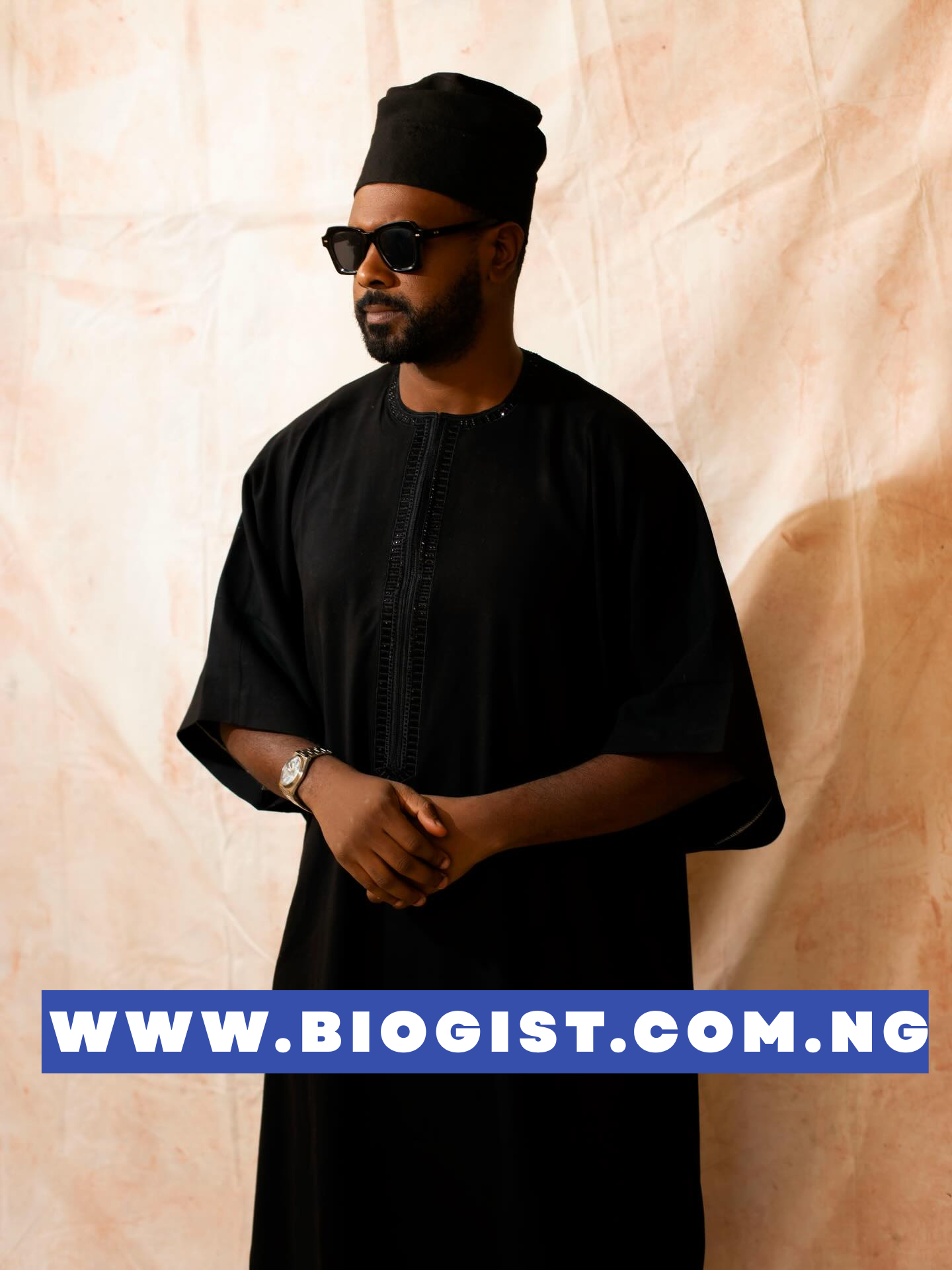
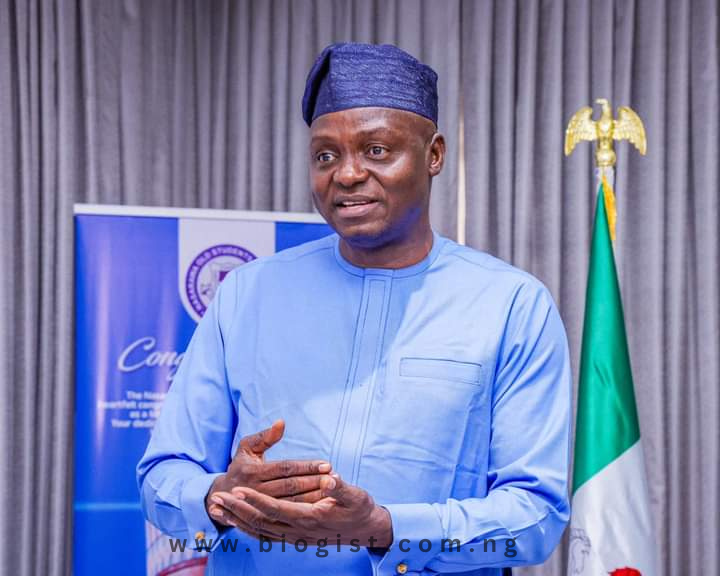
Who is Nentawe Yilwatda?
Quick Overview of His Identity
Nentawe Yilwatda Biography: From Engineer to National Political Leader:
Nentawe Goshwe Yilwatda is a Nigerian politician, engineer, and academic who has steadily risen through the ranks of public service to become one of the most influential figures in modern Nigerian politics. Born on August 8, 1968, he has built a career that blends intellectual depth with administrative experience. From lecture halls to national leadership, his journey reflects a rare combination of technical expertise and governance insight.
What makes his story fascinating is not just the positions he has held but the diversity of his experience. Imagine someone who has navigated academia, engineered systems, reformed electoral processes, and later stepped into high-stakes politics. That’s exactly the trajectory Yilwatda followed. His career cuts across sectors that rarely intersect so seamlessly, which makes him a unique figure in Nigeria’s leadership landscape.
Why He is Gaining National Attention
Yilwatda’s name began to dominate headlines after his appointment as Nigeria’s Minister of Humanitarian Affairs and Poverty Reduction in 2024 and later his emergence as the National Chairman of the All Progressives Congress (APC) in 2025.
This rapid rise isn’t accidental. It’s rooted in years of behind-the-scenes contributions in governance, particularly in technology and electoral reform. Nigerians are increasingly paying attention because his leadership style promises something different—a shift from traditional politics to a more data-driven, system-oriented approach. In a country where leadership often sparks debate, his profile stands out as both technocratic and reform-focused.
Early Life and Background
Birth and Family Origins
Nentawe Yilwatda was born in Dungung, located in Kanke Local Government Area of Plateau State, Nigeria. Growing up in a religious household, as the son of a reverend, his upbringing was shaped by strong moral values and discipline.
His roots in Plateau State, a region known for its cultural diversity and political sensitivity, played a significant role in shaping his worldview. Living in such an environment exposed him early to the complexities of governance, community leadership, and social cohesion. These early influences would later become evident in his approach to politics and public service.
Childhood Experiences and Influences
Like many children raised in structured homes, Yilwatda’s early life revolved around education, discipline, and faith. But beyond that, he exhibited a curiosity for how things worked—an early sign of his future as an engineer.
Think of his childhood as a foundation where values met curiosity. While others were simply navigating school life, he was already developing a mindset geared toward problem-solving. This blend of moral grounding and intellectual curiosity would later define his leadership style. It’s no surprise that he gravitated toward engineering—a field that rewards analytical thinking and innovation.
Educational Journey
Primary and Secondary Education
Yilwatda attended Boys’ Secondary School in Gindiri, where he completed his O-level education in 1986. His academic performance during this period laid the groundwork for his future achievements.
Secondary school wasn’t just about passing exams for him; it was a period of intellectual discovery. He developed a strong interest in science and mathematics, subjects that would later become central to his career. His teachers reportedly recognized his potential early, describing him as focused and disciplined.
University Education and Degrees
He proceeded to the Federal University of Agriculture, Makurdi, where he earned a degree in Electrical/Electronic Engineering. Not stopping there, he went on to obtain a Master’s degree from Abubakar Tafawa Balewa University and later a PhD from the University of Nigeria, Nsukka.
This academic journey reflects more than ambition—it shows a relentless pursuit of knowledge. Many people stop at a first degree, but Yilwatda pushed further, diving deeper into specialized areas of engineering. His academic path positioned him as an expert in digital systems engineering, a field critical to modern technological advancement.
Academic Specializations and Research Focus
His research interests include artificial intelligence, renewable energy systems, and digital engineering. These are not just academic buzzwords—they are areas shaping the future of global development.
By focusing on such forward-thinking disciplines, Yilwatda aligned himself with global trends. It’s like preparing for tomorrow while still living in today. This foresight has influenced his later roles, especially in governance, where technology plays an increasingly important role.
Read more about the Biography of Nentawe Yilwatda
Academic and Professional Career
Career as an Engineer and Lecturer
Before entering politics, Yilwatda built a solid career in academia. He worked as a lecturer at the Federal University of Agriculture, Makurdi, where he trained and mentored countless students.
Teaching isn’t just about delivering lectures—it’s about shaping minds. Over the years, he became known for his ability to simplify complex engineering concepts, making them accessible to students. His influence extended beyond the classroom, as many of his students went on to build successful careers in engineering and technology.
Nentawe Yilwatda Biography: From Engineer to National Political Leader
Leadership at Federal University of Agriculture, Makurdi
Yilwatda later became the Director of ICT at the same university, a position he held for over a decade. During this time, he developed a comprehensive ICT strategy that transformed the institution’s digital infrastructure.
Imagine upgrading an entire university’s technological backbone—that’s no small feat. His work involved creating systems that improved communication, data management, and academic processes. This role not only showcased his technical expertise but also his ability to lead large-scale projects.
Entry into Public Service
Appointment as INEC Resident Electoral Commissioner
In 2017, Yilwatda was appointed as Resident Electoral Commissioner in Benue State under Nigeria’s electoral body. This marked his transition from academia to public service.
This role came with significant responsibility. Elections in Nigeria are complex, often involving logistical challenges and political tensions. His appointment signaled trust in his integrity and competence.
Contributions to Electoral Reforms
During his tenure, he introduced innovations aimed at improving electoral transparency, including systems for internally displaced persons (IDPs) and people living with disabilities.
These reforms were groundbreaking because they addressed inclusivity—ensuring that even the most vulnerable populations could participate in the democratic process. It’s like widening the door to democracy so no one is left outside.
Political Career
Governorship Ambition in Plateau State (2023)
Yilwatda contested as the APC governorship candidate in Plateau State in 2023 but lost the election.
Losing an election can be a setback, but in politics, it often serves as a stepping stone. His campaign focused on innovation and inclusivity, resonating with many voters even though it didn’t secure victory.
Ministerial Appointment under President Bola Tinubu
Bola Ahmed Tinubu appointed him as Minister of Humanitarian Affairs and Poverty Reduction in 2024.
This appointment placed him at the center of national efforts to address poverty and humanitarian crises. It was a role that required both empathy and efficiency—qualities he had developed over years of public service.
Role in Humanitarian Affairs and Poverty Reduction
As minister, Yilwatda focused on social protection programs and poverty alleviation strategies. His work involved coordinating initiatives aimed at improving the lives of vulnerable Nigerians.
This role wasn’t just administrative—it was deeply human. It required understanding the struggles of everyday citizens and crafting policies that could make a real difference.
Rise to APC National Chairman
Circumstances of His Emergence
In July 2025, Yilwatda was elected National Chairman of the APC, succeeding Abdullahi Ganduje. His emergence was described as a consensus decision by party leaders.
This transition marked a new chapter in his career, placing him at the helm of Nigeria’s ruling political party.
Leadership Vision and Party Strategy
As chairman, his focus has been on restructuring the party and preparing it for future elections. His approach emphasizes unity, innovation, and strategic planning.
Think of it as steering a massive ship through unpredictable waters. His role requires balancing internal party dynamics while positioning the APC for electoral success.
Personal Life
Family, Religion, and Lifestyle
Yilwatda is married to Dr. Martina Yilwatda and has a child. He is a Christian and maintains a relatively private personal life.
Despite his public responsibilities, he remains grounded, often emphasizing the importance of family and faith. This balance between public duty and personal life adds a human dimension to his leadership.
Achievements and Awards
Recognitions in Technology and Governance
He has received awards such as “Best Director of the Year” and recognition among top digital economy leaders.
These accolades highlight his contributions to both technology and governance, reinforcing his reputation as a multifaceted leader.
Leadership Style and Philosophy
Technology-Driven Governance Approach
Yilwatda’s leadership is heavily influenced by his background in engineering. He believes in using technology to solve governance challenges.
This approach sets him apart from traditional politicians. Instead of relying solely on rhetoric, he focuses on systems, data, and measurable outcomes.
Challenges and Controversies
Political Setbacks and Lessons Learned
Like any public figure, Yilwatda has faced challenges, including his electoral loss in 2023.
However, his ability to accept setbacks and move forward demonstrates resilience—a key trait for long-term success in politics.
Net Worth and Influence
Financial Standing and Public Perception
While his exact net worth is not publicly disclosed, his influence extends beyond wealth. His reputation as a technocrat and reformist has earned him respect across political and professional circles.
Influence, after all, isn’t just about money—it’s about impact.
Conclusion
Nentawe Yilwatda’s journey is a compelling story of transformation—from a curious young student in Plateau State to a national political leader shaping Nigeria’s future. His career reflects a blend of intellect, integrity, and innovation, making him one of the most intriguing figures in contemporary Nigerian politics.
FAQs
1. What is Nentawe Yilwatda known for?
He is known for being a Nigerian politician, engineer, and the National Chairman of the APC.
2. When was Nentawe Yilwatda born?
He was born on August 8, 1968.
3. What position did he hold before becoming APC chairman?
He served as Minister of Humanitarian Affairs and Poverty Reduction.
4. Did Nentawe Yilwatda run for governor?
Yes, he contested in the 2023 Plateau State governorship election.
5. What is his educational background?
He holds degrees in Electrical Engineering, including a PhD in Digital Systems Engineering.