
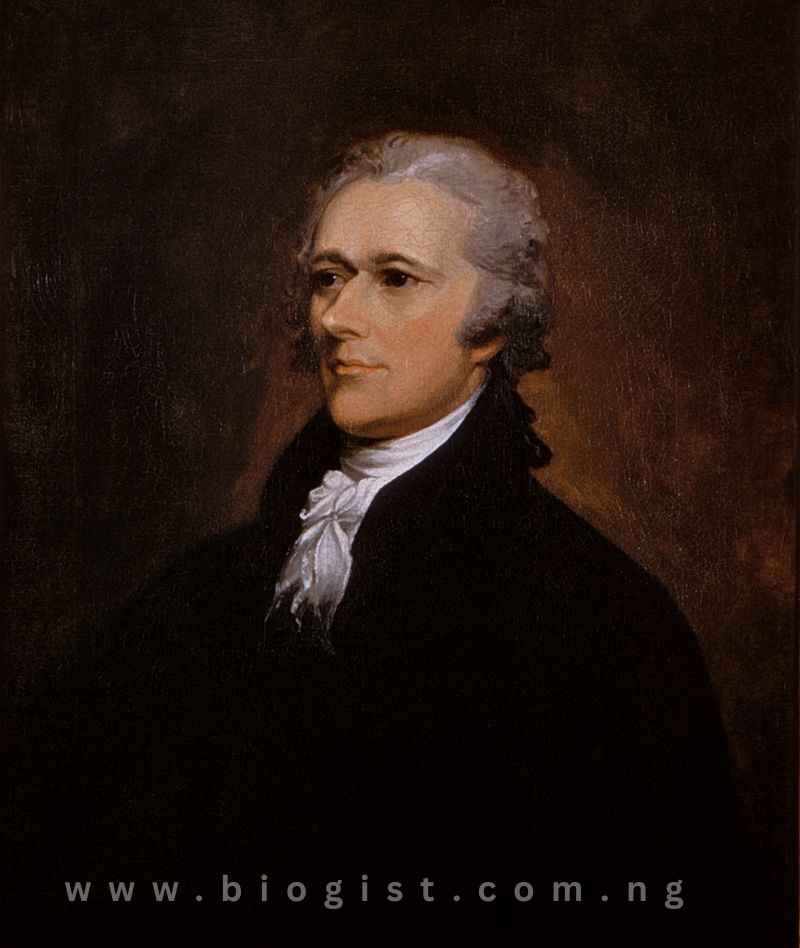
Introduction to Alexander Hamilton Biography
Alexander Hamilton Biography: Visionary Founder Story
The story of Alexander Hamilton is one of resilience, ambition, and unmatched intellect. This Alexander Hamilton biography explores how a man born in obscurity rose to become one of the most influential Founding Fathers of the United States. His contributions to finance, governance, and political philosophy continue to shape modern America.
Hamilton’s journey wasn’t smooth. In fact, it was filled with hardship, controversy, and fierce rivalries. Yet, through sheer determination and brilliance, he carved out a legacy that still stands tall today. From helping establish the nation’s financial system to advocating for a strong federal government, Hamilton’s vision was far ahead of his time.
As we dive deeper into this Alexander Hamilton biography, you’ll discover how his early struggles forged his character, how his ideas shaped a nation, and why his legacy remains relevant in today’s world.
Read more about the Robert Redford Biography 2026: The Life, Career, and Legacy of a Hollywood Icon
Early Life and Humble Beginnings
Childhood in the Caribbean
Alexander Hamilton’s story begins far from the American mainland, on the Caribbean island of Nevis. Born out of wedlock in either 1755 or 1757, his early life was marked by instability and poverty. His father abandoned the family, and his mother died when he was still young.
Life wasn’t easy—far from it. Hamilton worked as a clerk in a trading company during his teenage years. However, this experience turned out to be a blessing in disguise. It exposed him to global commerce, trade systems, and financial operations—knowledge that would later define his career.
Education and Early Influences
Hamilton’s intelligence didn’t go unnoticed. Local leaders, impressed by his writing and work ethic, funded his education in the American colonies. He attended King’s College, now known as Columbia University.
During this time, Hamilton became deeply involved in political debates. The growing tensions between Britain and the American colonies sparked his interest in independence. He began writing essays defending colonial rights, quickly gaining recognition as a powerful thinker and writer.
Rise During the American Revolution
Joining the Continental Army
When the American Revolutionary War broke out, Hamilton didn’t sit on the sidelines. He joined the Continental Army and quickly proved his capabilities—not just as a soldier, but as a strategist.
He formed an artillery company and demonstrated exceptional leadership. His performance caught the attention of influential figures, opening doors to greater opportunities.
Relationship with George Washington
One of the most defining relationships in Hamilton’s life was with George Washington. Washington appointed Hamilton as his aide-de-camp, effectively making him his chief of staff.
This role gave Hamilton invaluable insight into military strategy and leadership. More importantly, it allowed him to build a lifelong connection with Washington, who would later support Hamilton’s political ambitions.
Hamilton’s contributions during the war were critical. He helped draft key communications and strategies that guided the Continental Army toward victory.
Military Career During the American Revolution
Hamilton’s rise to prominence accelerated during the American Revolutionary War. He joined the Continental Army and soon became an aide-de-camp to George Washington. In this role, Hamilton served as Washington’s chief assistant, handling critical correspondence and strategic planning.
Although he desired battlefield command, his administrative contributions proved invaluable. Eventually, he was granted command and led a successful assault at the Siege of Yorktown, which effectively ended the war. This victory solidified his reputation as both a capable leader and a dedicated patriot.
Architect of the U.S. Constitution
Following the war, Hamilton emerged as a central figure in shaping the new nation. He was a key participant in the Constitutional Convention, where he advocated for a strong central government.
Although his views were considered radical by some, Hamilton played a crucial role in the ratification of the Constitution. Alongside James Madison and John Jay, he co-authored the The Federalist Papers. These essays remain foundational texts in American political philosophy, offering deep insights into the structure and purpose of the U.S. government.
First Secretary of the Treasury and Economic Vision
Hamilton’s most enduring contributions came during his tenure as the first Secretary of the Treasury under President George Washington. His economic policies laid the foundation for the modern American financial system.
We highlight several key initiatives:
- Establishment of the national bank: Hamilton championed the creation of the First Bank of the United States, arguing that a centralized financial institution was essential for economic stability.
- Federal assumption of state debts: He proposed that the federal government assume state debts incurred during the Revolutionary War, strengthening national unity.
- Promotion of manufacturing and industry: Hamilton’s Report on Manufactures emphasized the importance of industrial growth, reducing reliance on agriculture.
These policies sparked intense debate, particularly with Thomas Jefferson, who favored a more agrarian economy. This ideological clash led to the formation of the first political parties in the United States.
Political Rivalries and Personal Controversies
Hamilton’s career was not without controversy. His outspoken nature and firm beliefs often placed him at odds with contemporaries. His rivalry with Thomas Jefferson defined early American politics, while his conflict with Aaron Burr would prove fatal.
In addition to political disputes, Hamilton faced personal scandals, most notably the Reynolds Affair, which damaged his reputation but demonstrated his willingness to confront accusations openly.
The Duel with Aaron Burr
The culmination of Hamilton’s tumultuous career occurred in 1804. His long-standing feud with Aaron Burr escalated into a duel in Weehawken.
During the duel, Hamilton was mortally wounded and died the following day. His death shocked the nation and marked a tragic end to one of its most influential founders. The incident underscored the intensity of political rivalries during the early republic.
Alexander Hamilton Biography: Visionary Founder Story
Legacy and Lasting Impact
We recognize Alexander Hamilton as a visionary whose ideas continue to shape modern governance and economics. His contributions extend far beyond his lifetime:
- Financial system: The structure he designed remains the backbone of U.S. economic policy.
- Strong central government: His advocacy helped define federal authority.
- Political philosophy: His writings continue to influence scholars and policymakers.
Hamilton’s legacy has experienced a cultural resurgence in recent years, notably through the acclaimed musical Hamilton, which introduced his story to a global audience.
Political Career and Federalist Vision
Role in the Constitution
After the war, Hamilton turned his attention to building a strong nation. He was a key delegate at the Constitutional Convention, where he advocated for a powerful central government.
Hamilton believed that a strong federal system was essential for stability and growth. While not all his ideas were adopted, his influence was undeniable.
The Federalist Papers
To support the ratification of the Constitution, Hamilton collaborated with James Madison and John Jay to write the The Federalist Papers.
These essays explained the importance of the Constitution and addressed concerns from skeptics. Today, they remain a cornerstone of American political philosophy.
Hamilton authored the majority of the essays, showcasing his deep understanding of governance and law.
Architect of America’s Financial System
Establishing the National Bank
Perhaps Hamilton’s greatest contribution was as the first Secretary of the Treasury under President George Washington. He designed a financial system that stabilized the young nation’s economy.
He proposed the creation of the First Bank of the United States, which helped manage national debt and establish credit.
Economic Policies and Controversies
Hamilton’s financial policies weren’t without controversy. He supported federal assumption of state debts and promoted industrial growth. However, critics like Thomas Jefferson argued that his policies favored elites over farmers.
Despite opposition, Hamilton’s framework laid the foundation for modern American economics. His ideas about credit, taxation, and banking continue to influence financial systems worldwide.
For further reading, visit here to read more about the Alexander Hamilton Biography
Personal Life and Relationships
Marriage and Family
Hamilton married Elizabeth Schuyler Hamilton, a member of a prominent New York family. Their marriage was strong, and they had eight children together.
Elizabeth played a crucial role in preserving Hamilton’s legacy after his death, ensuring that his contributions were not forgotten.
The Reynolds Affair
Hamilton’s career faced a major scandal with the Reynolds Affair. He admitted to an extramarital affair, making it the first major political sex scandal in American history.
Although it damaged his reputation, Hamilton’s decision to publicly confess showed a level of transparency unusual for politicians of his time.
Alexander Hamilton Biography: Inspiring Legacy of 1 Visionary Founder
Rivalries and Political Conflicts
Conflict with Thomas Jefferson
Hamilton’s vision clashed sharply with that of Thomas Jefferson. While Hamilton favored a strong federal government, Jefferson advocated for states’ rights.
This ideological divide led to the formation of America’s first political parties—the Federalists and the Democratic-Republicans.
Aaron Burr Feud
Hamilton’s rivalry with Aaron Burr became one of the most infamous in American history. Their political and personal conflicts escalated over time, eventually leading to a tragic conclusion.
The Famous Duel and Death
In 1804, tensions between Hamilton and Aaron Burr reached a breaking point. They met in a duel in Weehawken.
Hamilton was fatally wounded and died the following day. His death shocked the nation and marked the end of a brilliant yet turbulent life.
The duel remains one of the most dramatic events in American history, symbolizing the intense political rivalries of the era.
Alexander Hamilton Biography: Visionary Founder Story
Alexander Hamilton’s Legacy Today
Cultural Impact
Hamilton’s legacy has experienced a resurgence thanks to the hit musical Hamilton by Lin-Manuel Miranda.
The musical introduced his story to a new generation, highlighting his achievements and struggles in a relatable way.
Influence on Modern Economics
Hamilton’s financial principles continue to influence modern economic systems. Concepts like national banking, credit systems, and fiscal policy trace back to his ideas.
His belief in a strong central government remains a cornerstone of American political structure.
FAQs
1. Who was Alexander Hamilton?
Alexander Hamilton was a Founding Father, the first U.S. Secretary of the Treasury, and a key architect of America’s financial system.
2. Why is Alexander Hamilton important?
He established the foundation of the U.S. financial system and played a major role in shaping the Constitution.
3. What are The Federalist Papers?
They are a collection of essays written to support the ratification of the U.S. Constitution.
4. How did Alexander Hamilton die?
He died after being shot in a duel with Aaron Burr in 1804.
5. What was Hamilton’s biggest achievement?
His creation of a stable financial system for the United States is considered his greatest achievement.
6. Is there a musical about Alexander Hamilton?
Yes, the Broadway musical “Hamilton” tells his life story and has gained worldwide popularity.
Conclusion: The Enduring Relevance of Alexander Hamilton
This Alexander Hamilton biography reveals a man of extraordinary intellect, resilience, and vision. From his humble beginnings in the Caribbean to his pivotal role in shaping the United States, Hamilton’s life is nothing short of remarkable.
Despite controversies and conflicts, his contributions have stood the test of time. His financial systems, political ideas, and writings continue to influence modern society.
If there’s one takeaway, it’s this: Alexander Hamilton proved that determination and intellect can overcome even the toughest beginnings.