Early Life and Family Background
Birth and Childhood in Santiago
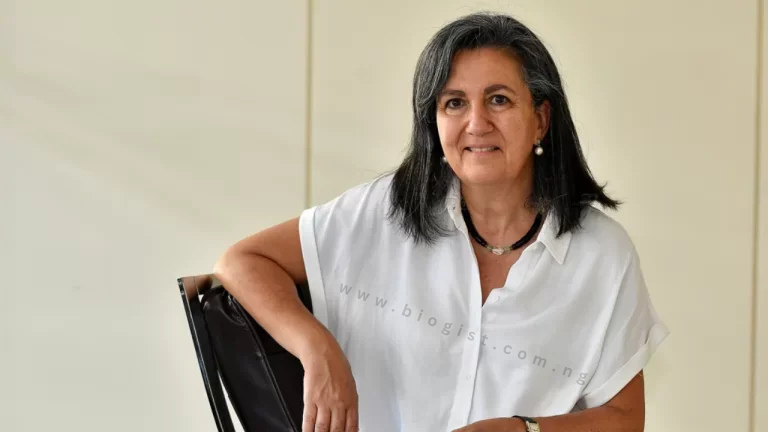
May Chomali Biography: The Life, Career, and Influence of Chile’s Health Leader: May Paulina Chomali Garib was born on June 18, 1958, in Santiago, Chile, a city that has long served as the political, cultural, and medical hub of the country. From the very beginning, her upbringing was shaped by values of service, education, and public responsibility. These values were not accidental. They came from a family deeply committed to professional excellence and social contribution. Growing up in such an environment meant that discussions about healthcare, public service, and ethics were common at home.
Her childhood took place during a period when Chile was undergoing social and political transformation. Access to healthcare and public health policy were major national conversations. Being raised in Santiago placed her close to the heart of those changes. Young May observed how medicine could transform lives, especially in underserved communities. Those observations later shaped her career choices.
Her father, Juan Chomali Celse, was a respected dentist who even served high-profile Chilean figures. This exposure to healthcare professionals at an early age played a subtle yet powerful role in shaping her ambitions. Instead of seeing medicine as an abstract profession, she saw it as a practical way to help people daily.
Childhood experiences often influence the direction of a person’s life. In Chomali’s case, growing up surrounded by healthcare discussions, professional discipline, and social awareness naturally guided her toward medicine. Over time, that early exposure evolved into a strong calling to work within Chile’s healthcare system and eventually shape it at a national level.
Palestinian Heritage and Family Influence
One fascinating part of May Chomali’s biography is her Palestinian heritage. Her parents were Palestinian immigrants who settled in Chile, bringing with them strong cultural traditions and a deep respect for education. Immigrant families often emphasize resilience and hard work, and the Chomali household was no exception.
Growing up in a multicultural environment offered Chomali a broader worldview. She understood early on that communities are diverse and that healthcare must adapt to different cultural needs. This awareness later influenced her approach to public health policy, where equity and accessibility became important themes.
Her family also includes influential figures in Chilean society. One of her brothers is Fernando Chomali, a cardinal of the Catholic Church and a prominent religious leader. Another brother pursued a diplomatic career, serving Chile internationally. Being part of such a distinguished family created an environment where public service was not simply encouraged—it was expected.
Family conversations often revolved around social responsibility and community engagement. These values shaped her mindset long before she entered medical school. Instead of viewing healthcare solely as a technical discipline, she saw it as a tool for social change.
Her Palestinian roots also reinforced the importance of perseverance. Many immigrant families build their success through determination and adaptation. That same determination would later define Chomali’s professional journey as she navigated both the clinical world of medicine and the complex landscape of health administration.
Education and Academic Journey
Studying Medicine at the University of Chile
May Chomali Biography: The Life, Career, and Influence of Chile’s Health Leader: If you ask anyone in Chile about top medical schools, the University of Chile almost always appears in the conversation. That is where May Chomali chose to pursue her medical education, enrolling in the prestigious Faculty of Medicine. For a young student with big ambitions, this institution offered the perfect training ground.
Medical school is often described as a marathon rather than a sprint. It demands discipline, resilience, and countless hours of study. Chomali embraced that challenge. Her years at the university were marked by academic excellence and a deep interest in healthcare systems, not just clinical treatment.
During her studies, she gained hands-on experience in hospitals and community clinics. These environments exposed her to the realities of Chile’s healthcare system. She saw firsthand how public hospitals struggled with limited resources while still trying to deliver quality care. Those experiences sparked her interest in health management and policy.
She eventually graduated as a physician-surgeon, completing one of the most demanding educational paths in Chile. For many doctors, that achievement marks the end of their academic journey. For Chomali, it was only the beginning.
Her university years gave her not only medical knowledge but also a broader understanding of how healthcare institutions operate. That combination of clinical training and systemic awareness would later become the foundation of her leadership roles in hospitals, clinics, and eventually government institutions.
Specialization in Public Health and Epidemiology
After earning her medical degree, Chomali chose a path that many physicians overlook: public health and epidemiology. While clinical medicine focuses on individual patients, public health looks at entire populations. It studies patterns of disease, prevention strategies, and health policy decisions.
Chomali completed postgraduate studies in epidemiology and public health, along with a diploma in health management. This specialized training allowed her to combine clinical expertise with administrative leadership.
Why does that matter? Because healthcare systems require more than doctors—they require strategists. Someone has to design policies, manage hospitals, and coordinate national health programs. Chomali positioned herself perfectly for those responsibilities.
Her academic focus on public health also prepared her for future crises, including pandemics and large-scale healthcare challenges. Epidemiology teaches professionals how diseases spread, how to track them, and how to prevent outbreaks.
This multidisciplinary education transformed Chomali into more than a physician. She became a health systems expert, capable of understanding both patient care and national healthcare management. That rare combination would later propel her into leadership roles across Chile’s medical institutions.
Professional Career in Chile’s Healthcare System
Early Roles in Public Health Administration
Chomali began her professional career working within the Servicio de Salud Metropolitano Oriente, one of Chile’s regional public health networks. Here she gained valuable experience managing healthcare programs and hospital operations.
Over time, she rose to the position of Deputy Medical Director, a role that required balancing clinical priorities with administrative responsibilities. Managing a healthcare network is never simple. Hospitals must coordinate staff, equipment, patient care, and government regulations simultaneously.
This early phase of her career allowed her to understand the challenges facing Chile’s public healthcare system. Issues such as resource allocation, waiting lists, and patient accessibility were everyday realities.
The experience strengthened her leadership skills and prepared her for higher-level roles in healthcare management.
Medical Director at Instituto Nacional del Tórax
Another important chapter in her career came when she served as Medical Director of the Instituto Nacional del Tórax, a specialized hospital in Santiago focusing on cardiology and respiratory diseases.
Managing such an institution requires both medical expertise and organizational skill. Hospitals operate like complex ecosystems where doctors, nurses, administrators, and technology must work together seamlessly.
Under her leadership, the hospital improved clinical coordination and patient care strategies.
Two Decades at Clínica Las Condes
Chomali later spent over 20 years at Clínica Las Condes, one of Chile’s most prominent private medical institutions. During this time, she held several senior leadership roles, including director of medical services.
Her long tenure at the clinic allowed her to oversee major modernization initiatives, including digital medical records and operational improvements.
Leadership in Digital Health and Innovation
Executive Director of CENS
Before entering national politics, Chomali served as Executive Director of the Centro Nacional en Sistemas de Información en Salud (CENS). This organization focuses on modernizing health information systems and improving data interoperability across Chile’s healthcare sector.
Her leadership in digital health innovation positioned her as one of the country’s leading experts in healthcare technology.
Appointment as Chile’s Minister of Health
Nomination by President José Antonio Kast
In January 2026, President-elect José Antonio Kast nominated May Chomali as Chile’s Minister of Health, marking a major milestone in her career. She officially took office on March 11, 2026.
Key Priorities in the Ministry
Her leadership is expected to focus on:
| Priority | Description |
|---|---|
| Reducing waiting lists | Millions of Chileans await medical procedures |
| Digital transformation | Expanding electronic health systems |
| Public-private collaboration | Improving hospital capacity |
These initiatives aim to strengthen Chile’s healthcare system and improve patient access.
Achievements and Legacy
May Chomali’s career illustrates how technical expertise and leadership can shape national healthcare systems. From hospital management to digital health innovation, she has played a major role in modernizing healthcare services in Chile.
Her appointment as Minister of Health represents the culmination of decades of dedication to medicine and public service.
Read more about Lucky Aiyedatiwa Biography: Age, Education, Career & Political Journey
Conclusion
May Chomali’s journey from medical student to national health leader is a powerful example of how expertise, persistence, and public service can intersect. Her work across hospitals, digital health systems, and government institutions highlights a career built on improving healthcare for millions of people.
FAQs
1. Who is May Chomali?
May Chomali is a Chilean physician, public health specialist, and the Minister of Health in Chile as of 2026.
2. When was May Chomali born?
She was born on June 18, 1958, in Santiago, Chile.
3. What is May Chomali known for?
She is known for her leadership in healthcare management and digital health transformation in Chile.
4. Which university did May Chomali attend?
She studied medicine at the University of Chile.
5. What position does May Chomali hold in the government?
She serves as Chile’s Minister of Health in the government of President José Antonio Kast.